

Pellet Stove Outdoor Patio Heaters
Wood pellet patio heaters are a low-cost and stylish heating option. They also feature low production of ash, which lowers the risk of chimney fires and blockage.
But, like any alternative heating source, pellet stoves come with pros and cons that homeowners need to take into consideration before deciding to purchase one. Find out more about these renowned heating appliances.
Efficiency
Pellet stoves use solid combustible granules about the size of rice grains or BBs. These pellets are typically compressed sawdust or other wood waste, however some are made from other biomass fuels, such as switchgrass, corn or other agricultural waste. The majority of pellet stoves require a hopper to hold between 35 and 130 pounds of fuel. A feeder device is used to drop the pellets into a combustion chamber for burning with a fan sending exhaust gases out through a vent pipe (typically through a side wall or upward through a roof).
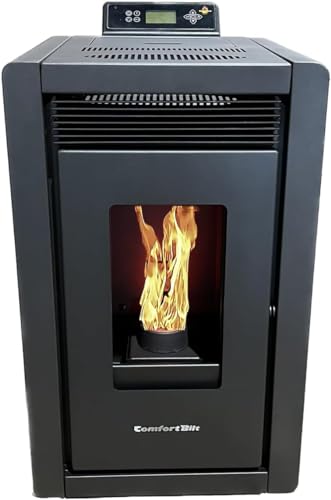
The effectiveness of a Pellet Stove is contingent on the maintenance of the stove as well as the quality of fuel that is used. It is crucial to make use of the highest quality pellets. They must have a low water content (below 10%) and a high BTU output. In addition the feed rate and combustion air settings must be adjusted according to the manufacturer's specifications.
A good pellet stove has an exchanger for heat that is made of cast-iron or stainless steel, with an internal combustion blower that pushes room air across the burner's surface. This circulates the warm room air, releasing the exhaust gases through a small chimney or flue pipe that is directed towards an exterior wall or up to a ceiling. A professional installer can help you choose the right ventilation system for your home and then install it correctly.
While the EPA has dropped the default efficiency ratings it assigned to stoves in 2015, certain manufacturers still provide verified efficiencies on their showroom hangtags. These values can be incorrect. To ensure that you're receiving an accurate efficiency rating, look for the stove that has an EPA-verified label. Small pellet stoves will be printed on a label which is placed at the top and back of the firebox that is visible. Today, the majority of pellet stoves are 70 to 75% efficient. Certain pellet stoves also feature an automatic gravity-feeding system that can replenish firewood without electricity. This eliminates the need for cleaning the hopper and also reduces the amount of ash, making maintenance simpler.
Convenience
Pellet stoves are extremely user-friendly and provide a significant amount of heat with a simple system. These systems require less maintenance than other heat sources. These stoves are an excellent option for those looking to reduce their carbon footprint. The pellets are created from wood and waste materials that would otherwise be discarded. The pellets are also a renewable energy source and produce less emissions than other stoves.
The smoke from a stove that burns pellets is able to be emitted through an existing chimney. Additionally pellet stoves can be ducted into the heating system in your home to provide back-up heating during cold winter months.
One of the greatest advantages of pellet stoves is that they are able to burn for up to 12 hours with just one "batch" of pellets. This means that a single pellet stove can provide a large amount of heating for your entire house, making them a cost-effective and efficient alternative to traditional fireplaces.
The process of combustion in a pellet stove is highly efficient, and many models have an energy efficiency rating of as high as 96%. This is due to the high density, low-moisture fuel pellet stoves utilize. A majority of models also feature an automatic fuel feed system that replenishes the fire with no electricity. This feature eliminates the auger and fan which can cause issues with other types of stoves.
In addition to the convenience of pellet stoves, the flames can be adjusted via the fan speed and heat settings. This gives you a variety of options to meet your preferences. You can even enjoy the flames in the evening without generating excessive heat.
Pellet stoves are energy efficient but they still require electricity to operate their automated features such as the hoppers, fan, and electronic controls. It is essential to have a plan in place to provide a backup heating source in the event of an electrical outage. Many pellet stoves are equipped with batteries that allow them to keep running. However it's an excellent idea to have generators in your home in the event of an emergency.
Cleanliness
Pellet stoves burn a renewable fuel - compressed sawdust as well as other wood waste products - and offer considerable energy efficiency, lowering heating costs for homeowners. They also produce minimal to no smoke, reducing the air pollution in outdoor and indoor areas and require minimal supervision while burning. Pellet stoves also use an extremely high temperature combustion process to eliminate creosote, which can clog vents.
However, like other stove made of wood or pellets, a pellet stove requires regular maintenance to work safely and efficiently. In the majority of owners' manuals, it is suggested that basic user maintenance should be carried out every week and thorough professional cleaning is required after each ton or pellets that are burned.
Wearing a mask and protective clothing is important when cleaning a stove. This will help prevent dust accumulation, scratches and abrasions to delicate surfaces. The first step of cleanup is to sweep away ash and debris from the inside of the stove as well as outside the vent pipe. If the stove has an ash pan, then open it by unlocking it with a key or screwdriver, and then empty it. If the stove has glass windows, remove and wipe down the surface. You can also use a glass cleaner on any stained areas. Make sure you adhere to the directions on the label.
Another crucial aspect of maintaining a pellet stove is to prevent the stove from getting rusty. The kiln-dried wood fibers utilized in the making of pellets attract and absorb water from the air, which can eventually cause rust to develop on the inside of the stove. You can avoid this by sweeping away any pellets which have not burned completely after using the stove. This is particularly crucial during the summer months when it is humid.
Be careful not to overfill your pellet stove, as this can be a fire risk. It's recommended to perform regular maintenance on the blower fan, if you own one, and make sure it's in good working order. Finally, you should remove any creosote build-up that has accumulated in the stove as it goes from its initial flaky and dry stage to a sticky tar-like state. It is a danger to breathe in and is a fire hazard, so it is essential to wash the stove as soon as you notice the formation of this chemical.
Safety
Pellet stoves must be correctly installed to guarantee maximum safety and performance. During the installation process, pellet stoves must be placed in a safe distance away from furniture and combustible objects. Furthermore, they should be located close to an exterior wall so that the exhaust can be vented directly outside. Carbon monoxide can get into your home in the event that the stove isn't vented correctly. This can cause serious health problems.
It is also essential to keep children and pets away from the flames of your pellet stove. The best way to do this is to put in a fireplace gate. You should also regularly clean your stove in order to keep it looking nice and to prevent combustible accumulation. Also, you should clean your stove's hopper and feed areas regularly to keep them free of blockages.
It is essential to adhere to the recommended maintenance and cleaning procedures for outdoor pellet stove safety. Each manufacturer provides specific guidelines for the care and use of their products. Therefore, take a moment to find your owner's manual and read them over before using your stove. Taking this simple step can help minimize fire risks and help avoid costly repairs in the future.
Pellet stoves can only use a specific type of fuel. It is recommended to stick with the brand in order to prevent damaging the appliance or causing fire hazards within your home. It is recommended to use high quality pellets, as low-quality pellets can cause more smoke and require frequent cleaning.
If you are buying a new pellet stove, be sure to talk to an experienced professional for proper installation and ventilation. The installer should be able to recommend the ideal location for your stove, and ensure that it is in compliance with local codes. Furthermore, the installer is required to install a CO (carbon monoxide) detector within 10 feet of your stove. This will alert you when there's a CO leak that could threaten your family's health.
Although pellet stoves are generally safer than traditional wood burning fireplaces, they still emit carbon monoxide and particulate matter into your indoor air. Fortunately, proper ventilation and regular cleaning can reduce these emissions and protect your family's health.